By Joshua Machinga
Introduction
This writeup synthesizes key reflections on participation and process platforms, drawing from discussions at the 2026 Alternative Mining Indaba (AMI) and focusing on community engagement, youth inclusion, and multi-stakeholder collaboration. The insights aim to strengthen participatory processes and enhance the effectiveness of development platforms such as AMI, which positions itself as a counter-space to extractivism, advocating that mining must serve the public good rather than private interests.
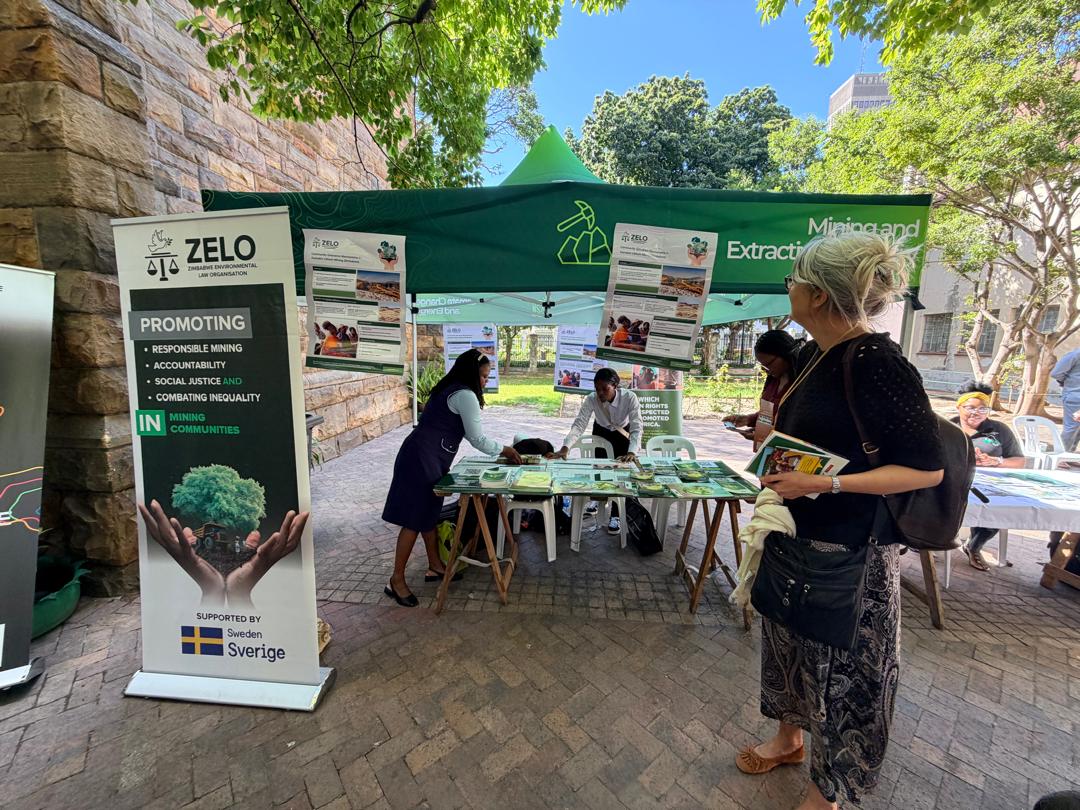
Convened under the theme “Alternative Stories of Mining – United in Solidarity with Mining-Affected Communities,” the 2026 AMI took place in Cape Town alongside the larger Investing in African Mining Indaba. The event featured plenary sessions, exhibitions at St George’s Cathedral, and a march to the main conference centre. The exhibitions were a refreshing departure from the marathon side sessions of previous years, offering a more engaging format. However, they also underscored a lingering question: how can this vital platform for participation and process be further strengthened?
- Enhancing Youth Participation and Representation
A central concern for AMI 2026 was the low level of youth engagement. Young people constitute a major demographic in mining-affected communities and bring essential perspectives, innovation, and energy. Therefore, efforts must go beyond simply increasing their numbers to ensuring their voices are genuinely amplified. This requires creating spaces where young people are empowered to influence discussions, shape decisions, and drive action. Pre-engagement orientation sessions can enhance their confidence and technical understanding, enabling more meaningful contributions.
- Fostering Issue-Driven and Inclusive Dialogue
Effective participation platforms must be grounded in substantive, evidence-based discussions rather than driven by emotion. Clear agendas based on community priorities and rational dialogue anchored in facts lead to more credible processes and actionable results. This is best achieved through inclusive multi-stakeholder participation. Bringing together government, civil society, youth groups, the private sector, and community structures enriches discussions, strengthens collaboration and accountability, and facilitates the development of clear, shared calls to action.
- Connecting Vertically and Horizontally
Comprehensive participation requires both vertical and horizontal engagement. Vertical engagement ensures communication, involvement, and accountability between grassroots communities and decision-makers. Horizontal engagement strengthens collaboration among peers, communities, and organizations. Together, these mechanisms build coherence, foster shared learning, and amplify collective influence.
- Leveraging Common Interests for Collective Action
Shared goals enable stakeholders to form unified positions, strengthening advocacy and improving bargaining power with decision-makers. By leveraging areas of common interest, stakeholders can develop joint action coalitions to drive coordinated advocacy and resource mobilization, transforming dialogue into measurable impact.
- Ensuring Community Preparedness
Meaningful community participation is often hindered by a limited understanding of complex processes. Proper preparation and orientation are essential to equip community members with a clear understanding of expectations, enabling them to articulate their issues and demands effectively. This enhances the quality of their contributions and avoids tokenism. Strengthening pre-engagement capacity-building leads to more informed dialogues and stronger community positions.
- Strengthening Communication and Institutional Memory
To improve coordination and sustain momentum, practical tools like a dedicated WhatsApp group for participants can facilitate real-time information sharing and collaboration before, during, and after engagements. Furthermore, a systematic, country-level stocktake of AMI outputs is needed to consolidate learning. Reviewing past reports, assessing implementation, and identifying gaps and successes will strengthen institutional memory and ensure lessons from previous years inform future programming.
- Balancing Cost-Effectiveness with Quality
While efficiency is important, underfunded processes risk compromising the quality of participation and deliberation. A balance must be struck between cost considerations and expected outcomes. Ensuring high-impact interventions within reasonable budgets is critical for the sustainability and credibility of development platforms such as AMI.
Conclusion
These reflections underscore that increasing youth engagement, ensuring community preparedness, fostering inclusive dialogue, and enhancing communication are key to strengthening participatory platforms. With strategic investment and structured follow-up, platforms such as AMI can become more transformative avenues for community empowerment and regional progress.
Recommendations
- Strengthen Youth Participation: Actively facilitate inclusive sessions that promote the meaningful contribution of young people. Provide pre-engagement orientation to build their confidence and technical understanding of advocacy, negotiation, and policy.
- Institutionalize Multi-Stakeholder Collaboration: Ensure both rights-holders and duty-bearers are adequately represented throughout the AMI process. Promote co-creation by having stakeholders jointly design the agenda, themes, and expected outcomes.
- Promote Shared Ownership: Co-develop a “call to action” implementation matrix that assigns lead actors, support actors, timelines, and monitoring indicators.
- Leverage Convergence for Collective Action: Form multi-stakeholder action coalitions around shared priorities to drive coordinated advocacy and resource mobilization.
- Ensure Sustainability: Mobilize resources through joint proposals and partnerships to sustain follow-up activities. Strengthen joint planning to ensure post-AMI engagement and continuity.