Key takeaways from the Investing in Africa Mining Indaba 2026
By Joshua Machinga
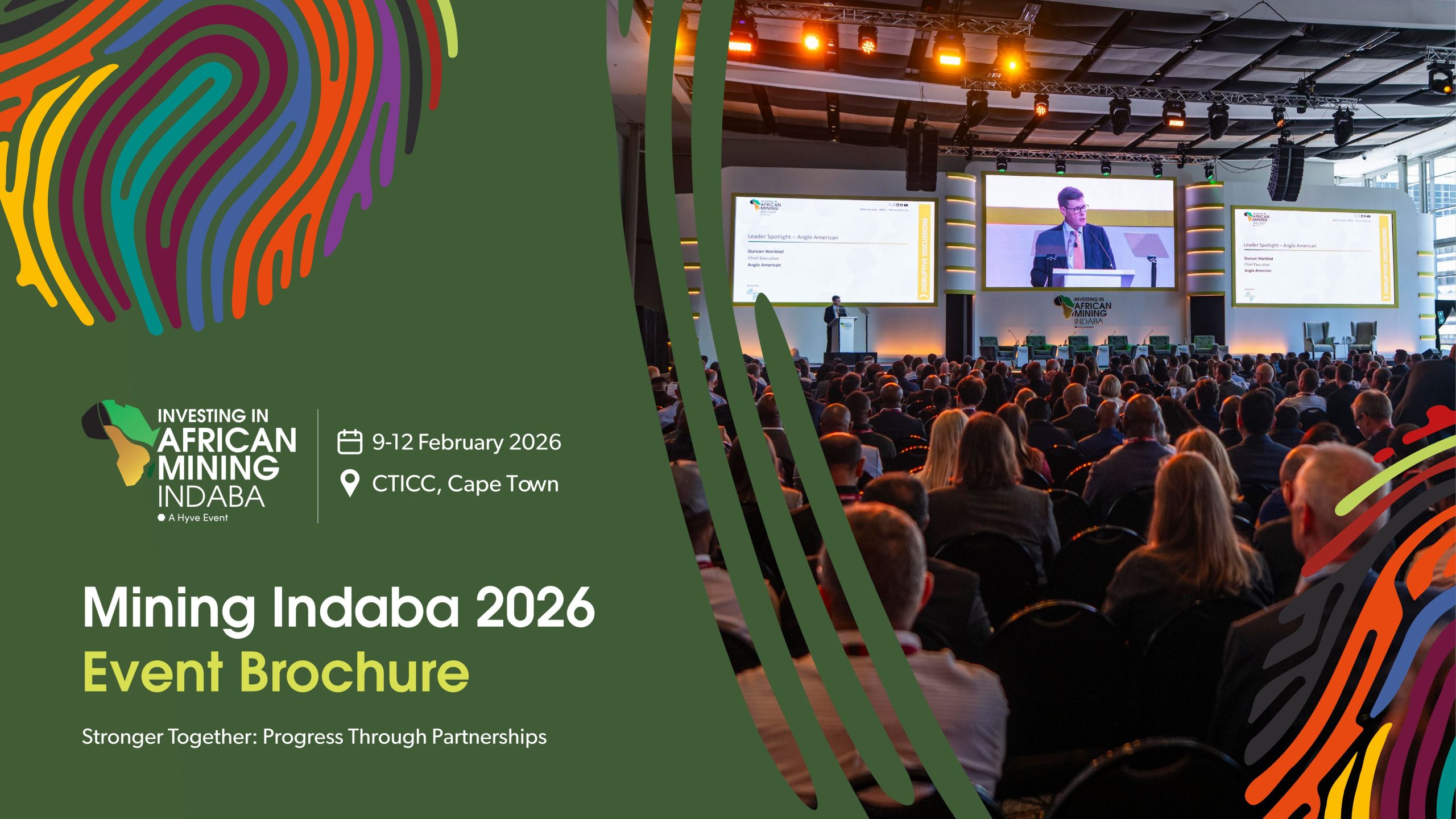
The Mining Indaba 2026 (MI26) convened under the theme “Stronger Together: Progress Through Partnerships,” underscored the critical role of collaboration in driving meaningful change and delivering benefits across Africa.
On the opening day, Zambian President Hakainde Hichilema delivered the keynote address, stressing the urgency of building regional value chains, particularly in logistics and beneficiation. Such partnerships, he argued, must translate into concrete benefits for communities affected by mining. In line with the theme of the indaba, his remarks set a collaborative tone for the event.
A significant structural shift at this year’s Indaba made it possible for representatives from mining-affected communities, including civil society actors such as the Zimbabwe Environmental Law Organisation, to participate directly. The organisation engaged in various side sessions, bringing civil society perspectives to both government and corporate audiences.
In my view, MI26 opened a portal to what has traditionally been a ringfenced audience, enabling access and dialogue that were previously out of reach. The benefits, I explain below:
- Increased community representation as a core indicator of inclusive partnerships
A major shift at MI26 was the deliberate restructuring of the Indaba to include community and indigenous voices as a core strategic pillar. The Community Voices Competition expanded significantly, growing from five winners in 2025 to ten in 2026, alongside the introduction of complimentary tickets for community representatives and artisanal miners. By placing communities at the centre of the conversation, MI26 signalled that investors, policymakers, and companies are now expected to engage directly with the people most affected by mining activities.
This transformation reflects a commitment to strengthening community agency, accountability, and shared ownership of mining governance. The increase in representation, the elevation of community agenda-setting power, and the creation of formalised participation channels demonstrate how strategic partnerships can enable more inclusive, equitable, and informed decision-making.
- Partnerships critical for measurable benefits for mining affected communities.
Partnerships are increasingly shifting from conversation to concrete community benefits. What previously existed as dialogue is now maturing into collaboration that provides communities with formal, recognised spaces to influence decisions, shape Environmental, Social and Governance (ESG) commitments, and elevate urgent priorities such as land rights, environmental impacts, and equitable benefit sharing. As such, the Indaba intentionally created spaces for direct engagement, enabling stakeholders to interface with communities, listen to their experiences, and better understand their needs and expectations. This marks a meaningful shift toward more accountable, responsive, and community centered partnerships within the sector.
Through sessions that unpacked what truly functional collaboration looks like in critical mineral region, the mining indaba emphasized the need for partnerships to move from policy to practice. This signals a shift toward prioritizing outcomes over intentions, ensuring that commitments translate into real, measurable benefits for communities. With institutions now advocating coordinated infrastructure planning, regulatory alignment, and integrated financing frameworks, the sector is taking tangible steps toward deeper multi stakeholder coordination aimed at delivering long-term socio-economic impact.
Ultimately, MI26 proved that although partnerships are critical, they need to be more inclusive in decision-making, more grounded in practice, more responsive to community-defined development priorities, and supported by clearer accountability channels as well as emerging structures that make community benefits trackable over time.
- Importance of structured community feedback in setting the MI26 agenda.
By expanding the Community Voices Competition and positioning grassroots leaders alongside executives and policymakers, MI26 sent a clear signal that community insights are no longer an addition but are now shaping the agenda itself. This shift demonstrates that community feedback is becoming a core input in how mining partnerships are evaluated, strengthened, and held accountable. During both MI25 and MI26, community testimonies went beyond storytelling, catalyzing collaborations and new initiatives, proving that local voices can drive actionable changes when they are formally captured and integrated into decision making systems.
When communities’ articulate issues such as safety, environmental degradation, and livelihoods, those concerns can be translated into measurable indicators that are tracked over time, effectively moving participation from subjective to evidence based. Structured feedback systems, where input is consistently collected, documented, analysed, and reported, create accountability loops that align actions across stakeholders and support continuous improvement. This is how community voices begin to influence decisions in a substantive, sustained way, well beyond symbolic recognition.
- Is mining development genuinely inclusive and accountable?
When assessing whether mining development is truly inclusive and accountable, the focus must shift from policy commitments to the tangible changes experienced by people on the ground, measured through level of community representation and decision-making power. At this year’s Indaba, Communities and civil society actors have for long called for their voices to be heard at Africa’s most influential mining investment platform. This year, community leaders were placed directly alongside executives and policymakers presenting this hitherto elusive platform for direct engagement. This move signals that inclusion is no longer an option for success and is inevitably becoming operational and embedded in governance processes. Thus the increased visibility, influence, and structured participation of community representatives at the Indaba.
However, it is important to note that the functionality of partnerships is measured, not by the agreements made, but by whether communities, companies, and government are working together in structured, collaborative ways. At MI26, sessions dedicated to “meaningful partnerships in critical mineral communities” indicated a growing shift toward joint planning, shared problem solving, and clear mechanisms through which communities can verify whether commitments are being honored. These developments point to the emergence of measurable accountability structures, demonstrating that partnerships are evolving from dialogue into coordinated systems that support transparency, alignment, and long-term impact.
This underscores why issues of representation and shared decision‑making are central to assessing whether mining development is both inclusive and accountable. Representation emphasizes communities being present, heard, and shaping agendas but this is but one foot in the door as shared decision‑making examines whether joint platforms, co‑created plans, feedback channels, and grievance mechanisms are in place. It remains the be seen whether the audience gained will indeed translate to stronger partnerships where mining development isn’t just happening to communities, but happening with them, and ultimately for them.
- Value addition and industrialization can create socio-economic impact.
One of the clearest signals emerging from MI26 discussions is the growing insistence that communities sit shoulder‑to‑shoulder with policymakers and industry leaders in shaping mining‑related development pathways. This shift shows that community‑defined priorities such as jobs, skills development, and enterprise growth are becoming central to how progress and success are measured. Industrialization delivers real value only when local people gain the skills, capabilities, and opportunities needed to participate meaningfully in the evolving mineral economy. Without deliberate skills transfer and community‑driven economic empowerment, industrialization risks benefiting the sector while bypassing the very communities it depends on.
From the mining Indaba, I left with the following key lessons for stronger accountability, learning and long-term sustainability in Africa’s mining sector:
- Community leadership must be treated as a core pillar, not a side event. MI26 doubled its Community Voices winners and embedded grassroots leaders as equal contributors to mining discussions a strong reminder that sustainability depends on communities shaping decisions, not merely reacting to them. That signals a shift toward genuine co‑creation.
- Partnerships need to move from principles to practice. Sessions focused on meaningful partnerships in critical mineral communities emphasised that sustainable mining requires well‑defined roles, shared monitoring frameworks, and mechanisms that help communities, companies, and governments work together in real time.
- Community insights must shape adaptation. We saw again this year that grassroots testimonies can spark cross‑border collaborations, influence ESG priorities, and drive new livelihoods initiatives. This demonstrates how structured feedback loops can turn local experiences into actionable policy and programme improvements.
- If mining is to sustain development in Africa, there is no room for lip service. At MI26, communities gained a rare opportunity to speak directly to government and business leaders to question, challenge, and offer suggestions for more sustainable and responsible mining. The insights generated from these interactions must now be adopted and acted upon. For MI27 to mark real progress, it must introduce an added dimension such evaluation.